
First Aid when Afloat
Personal Onboard Sessions
Realistic training on your own boat.
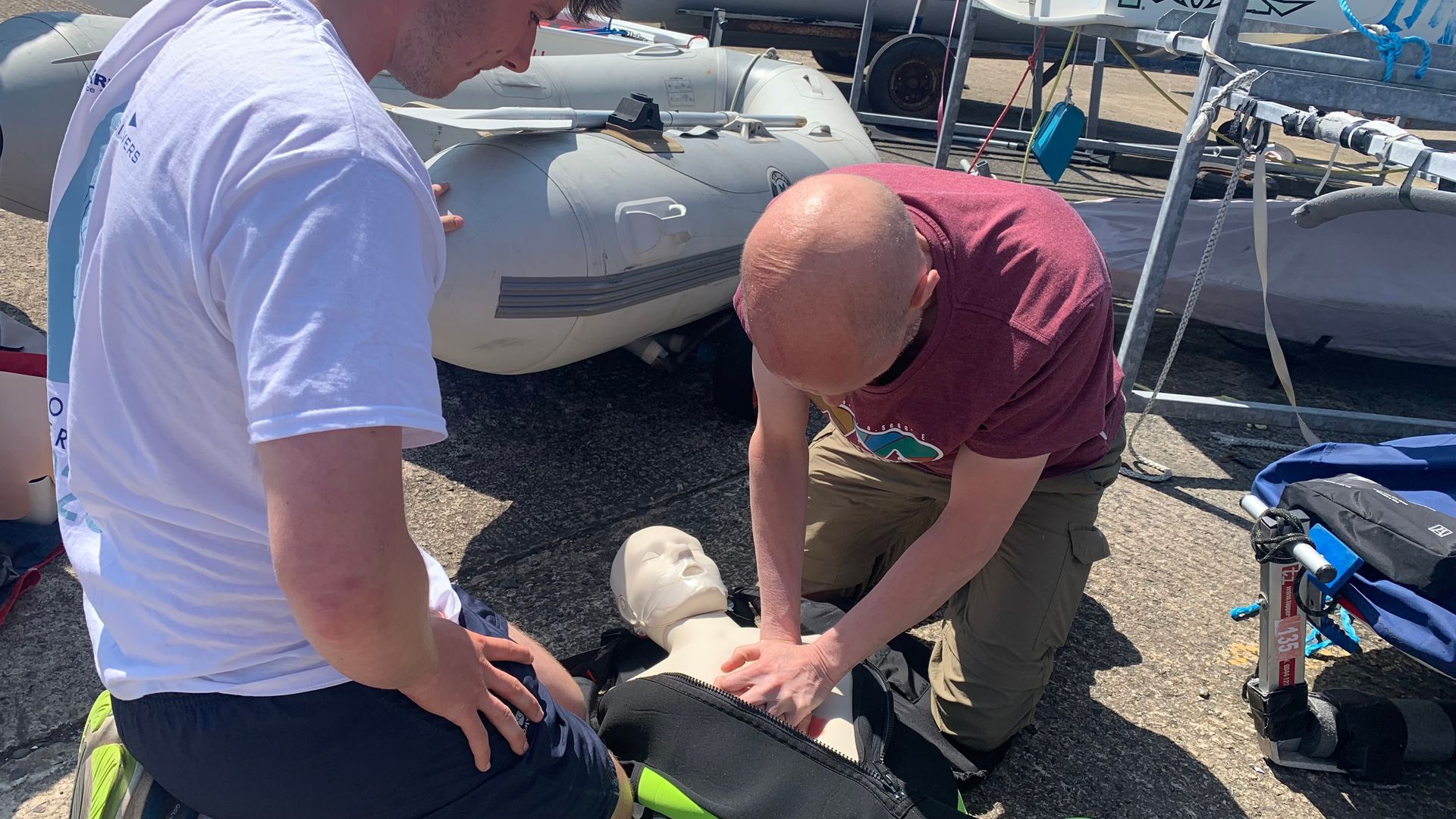
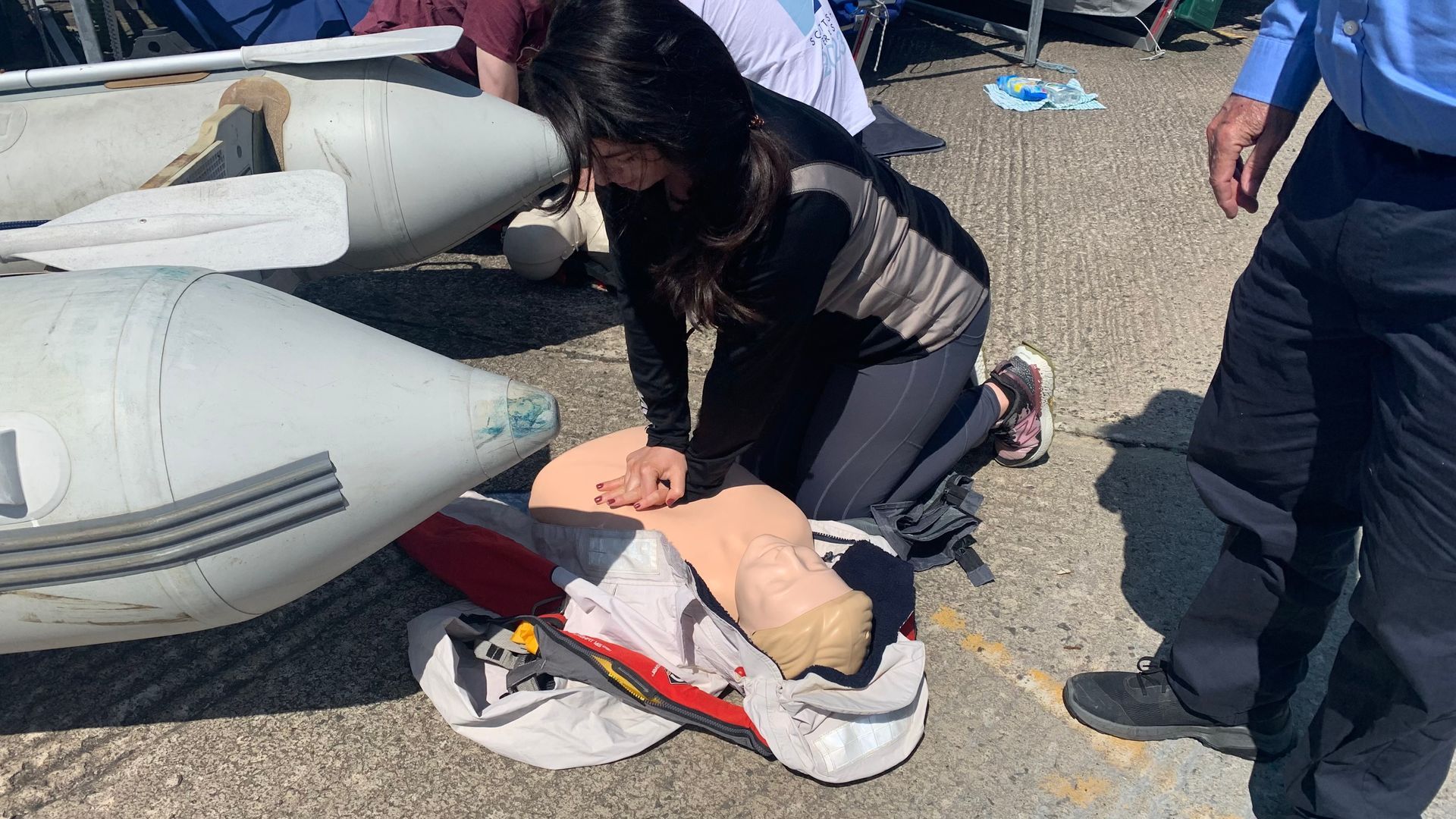
Medical Emergency at Sea. Would you or your crew know what to do?
This 2.5 hr practical first-aid training is aimed at:
- Sailing clubs
- Boat owners
- Yacht crews
- Commercial operators
- Water sports organisations
Session includes:
- Immersion / Drowning protocol
- Cold water shock
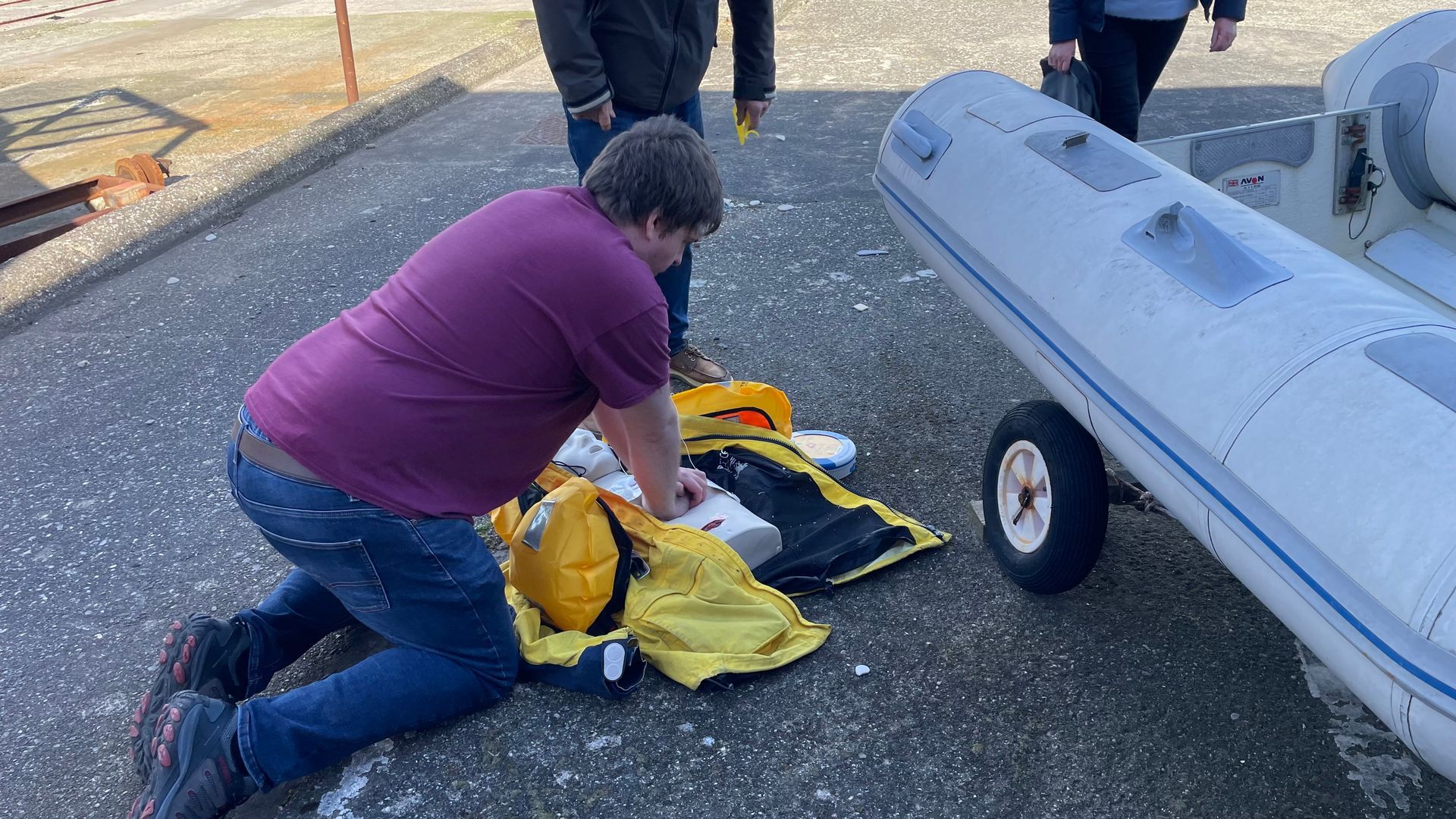
- Resuscitation
- Safe use of a defibrillator (AED)
- Medical advice by VHF radio
- First aid kits for boats
- And More...........
Drowning is preventable. Over 1,600 people ACCIDENTALLY DROWNED in the last 5 years in the UK and Ireland
63%
of open water drownings occur inland in rivers and lakes
46%
intended to be in the water
82%
are male
22%
alcohol or drugs are present
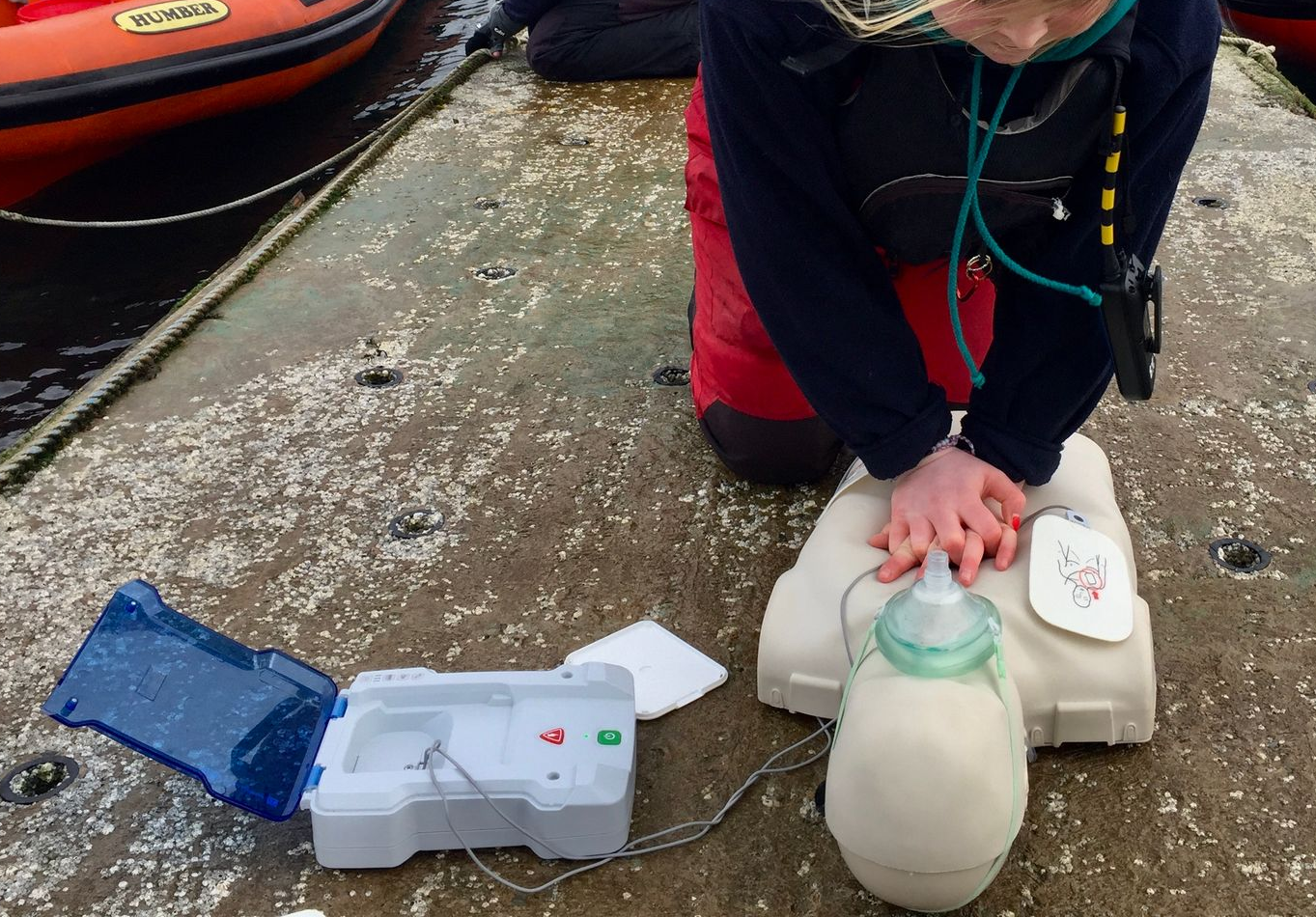
Rescue Boat Crews
This is the text area for this paragraph. To change it, simply click and start typing.
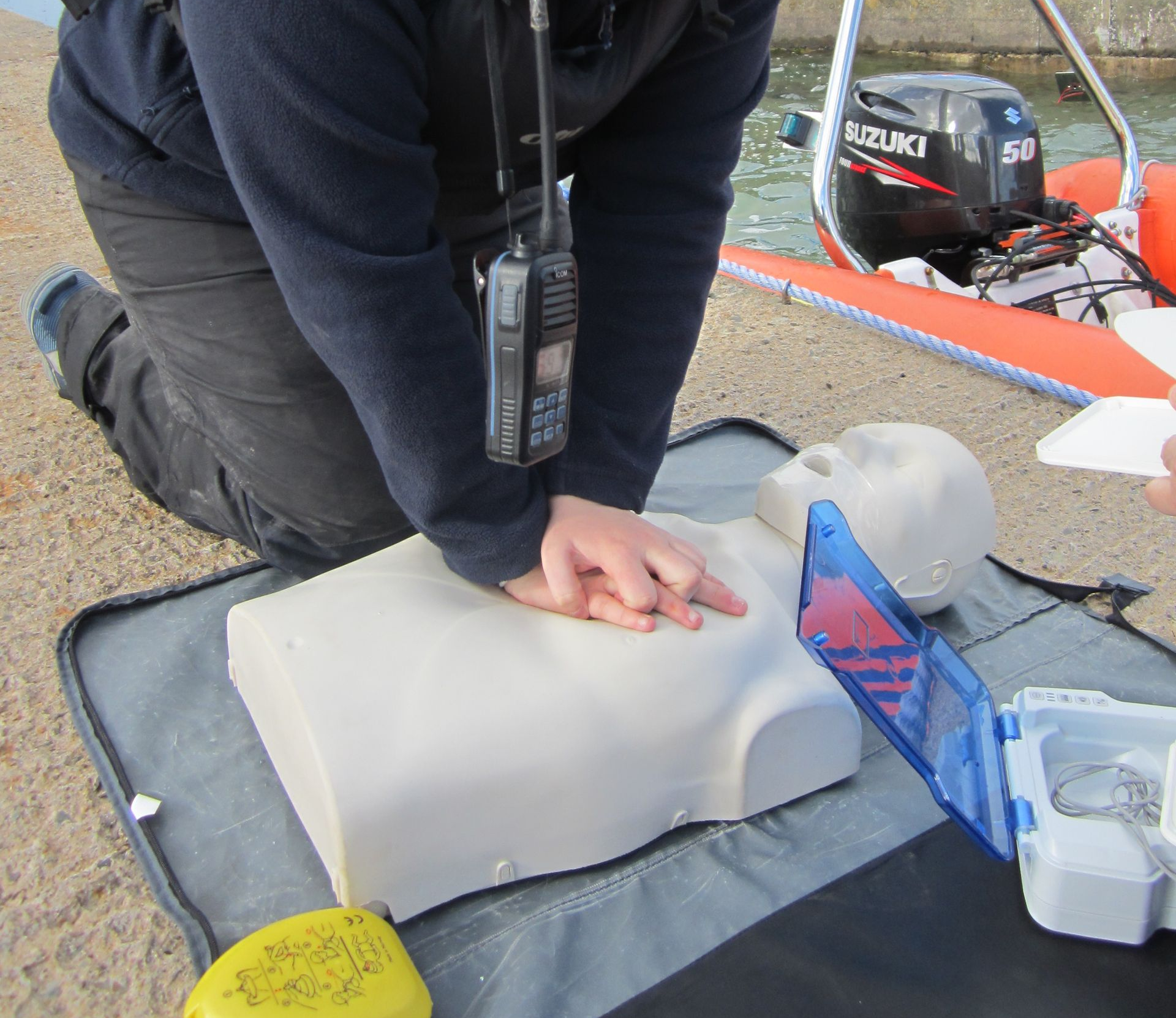
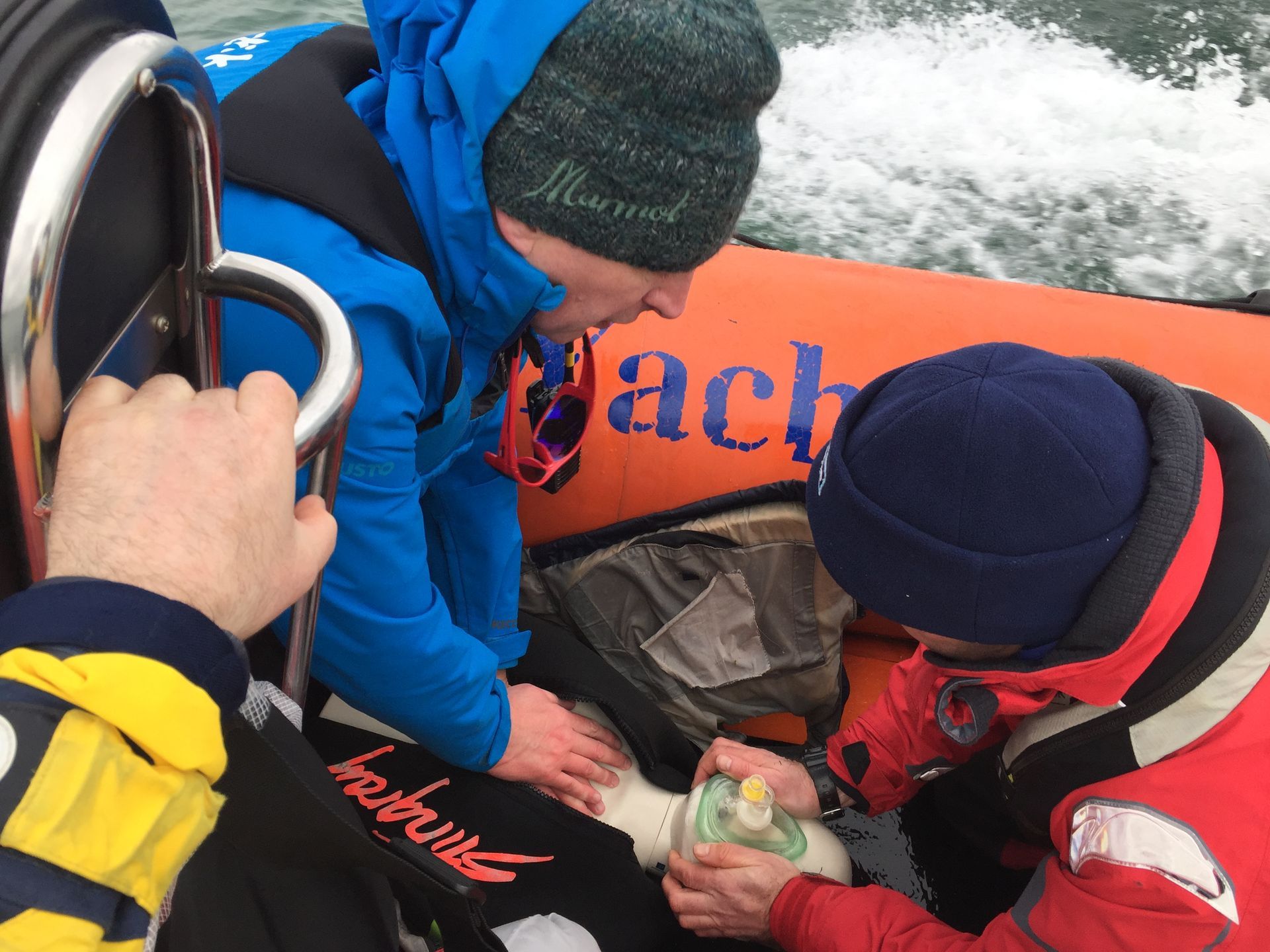
Rescue Boat Crews
This is the text area for this paragraph. To change it, simply click and start typing.
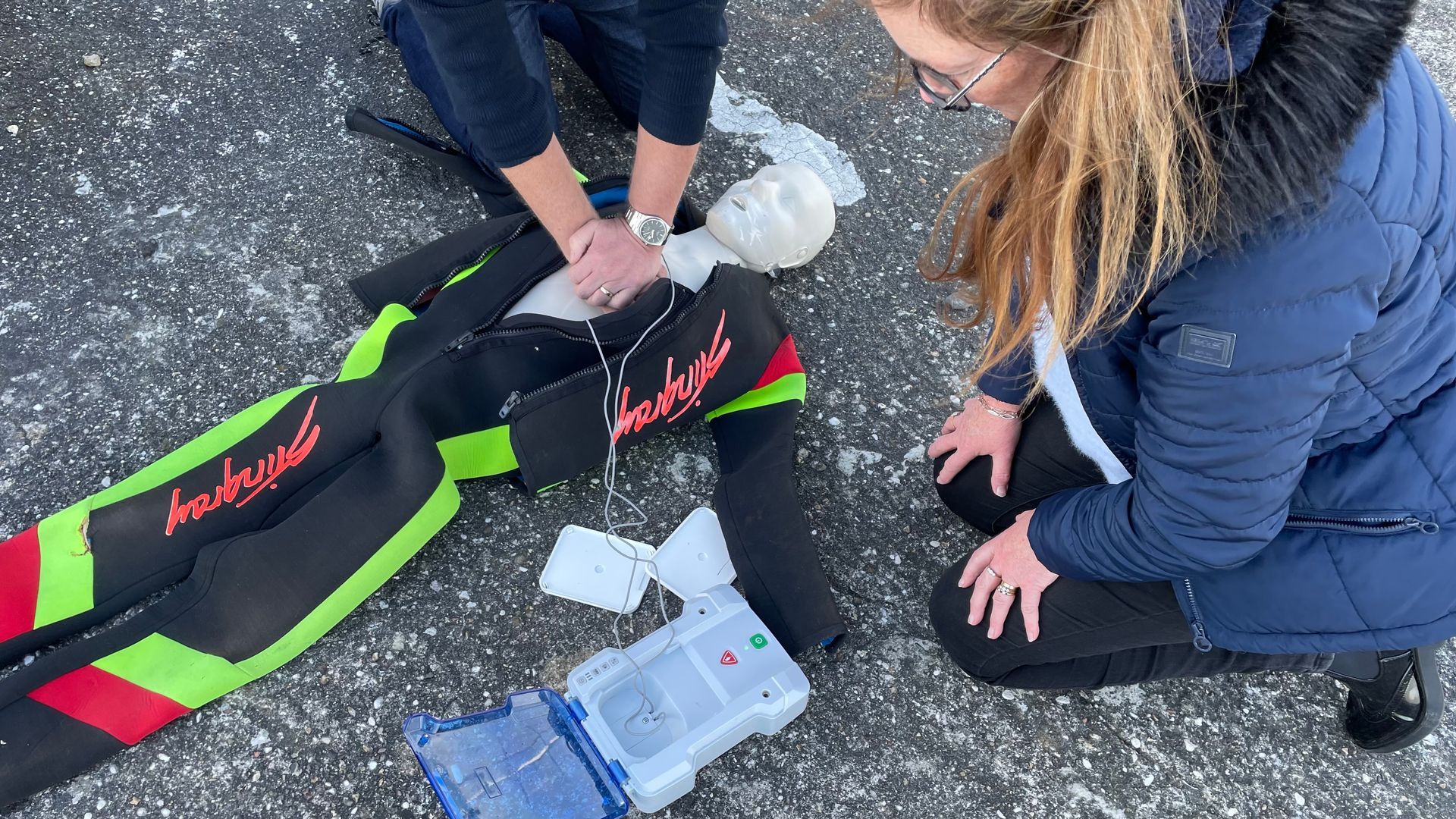
Dinghy Events
This is the text area for this paragraph. To change it, simply click and start typing.
Dinghy Sailing
This is the text area for this paragraph. To change it, simply click and start typing.
Pricing
Individual (one on one)
£120
Per session
For individuals who boat alone
Up to a Crew of 4
** £150 **
Per session
Perfect for boat crews who race or leisure cruise
Crew of 2
£130
Per session
Ideal for boating couples
What is Cold Water Shock
Cold water shock is the body's dangerous, involuntary physical reaction to being suddenly immersed in cold water (below 15°C), causing an uncontrolled gasp, rapid breathing, increased heart rate and blood pressure, and impaired movement. This reaction can lead to panic, inhaling water, and drowning, and can also strain the heart, potentially causing a heart attack. It affects anyone regardless of swimming ability or fitness, and the initial effects typically last about 90 seconds
How to deal with cold water shock and minimise the risk
If you enter the water unexpectedly:
- Take a minute. The initial effects of cold water pass in less than a minute so don’t try to swim straight away.
- Relax and Float to Live.
- Keep calm then call for help or swim for safety if you’re able.
- Take a minute. The initial effects of cold water pass in less than a minute so don’t try to swim straight away.
How cold are the waters around Northern Ireland
The water temperature around Northern Ireland varies throughout the year, but generally ranges from a frigid 7-9°C (45-48°F) in the winter months to a mild 13-16°C (55-61°F) in the summer, with August being the warmest. The Irish Sea is slightly warmer than the North Atlantic, but still requires significant thermal protection like thick wetsuits, boots, and hoods for extended activities.
